2026-08-17 · Mike Henderson
How to Protect Roof Vents During High-Wind Events
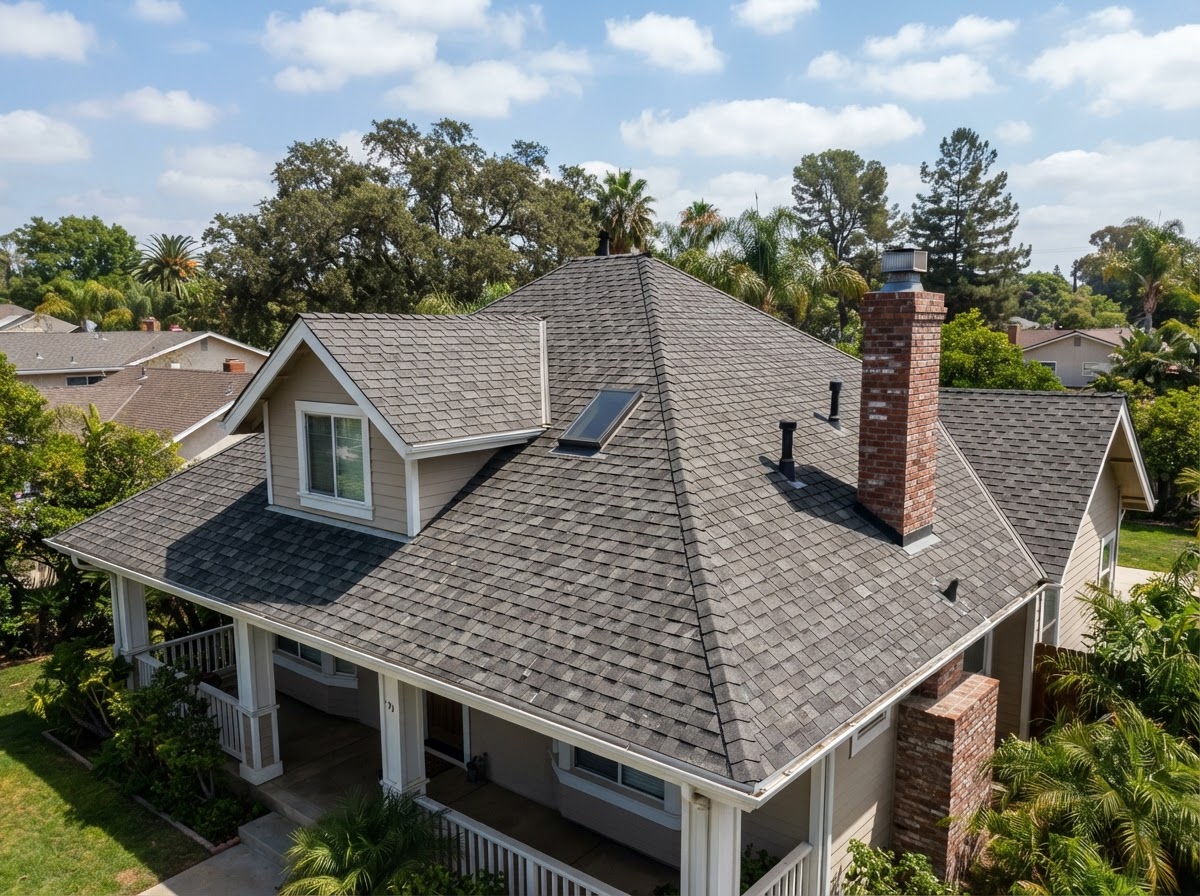
Tie roof vents down with 1/4-inch metal straps rated for 130 mph winds and check them twice a year. In Beaumont's hot humid subtropical climate with frequent thunderstorms and hurricane risk this stops most wind damage before it starts. Skip the big-box sealant because it cracks fast once the sun and rain hit it here.
How Do High Winds Hit Roof Vents in Local Neighborhoods?
Downtown Beaumont and the West End see straight-line winds push pipe vents sideways during summer storms. The same thing happens near Lamar University where older homes have single-wall vents that pull loose at the flashing. Once that happens water gets under the shingles fast. Our climate keeps the wood decking damp so leaks spread quicker than in drier areas. Check vents after every 40 mph gust because the rubber boots split under repeated flexing.
What Steps Keep Vents Secure Before a Storm?
Start at the attic and look for loose collars on every pipe. Replace any that show cracks with ones that have a wider flange. Add two metal straps per vent crossed at 90 degrees and screw them into the decking with 2-inch deck screws. Do this on a dry day because wet shingles tear easy. In Calder Highlands and South Park many homes from the 1970s have vents spaced too close so one loose vent can tear the neighbor's flashing too.
What Does It Cost to Protect or Fix Roof Vents?
Straps and new boots run $45–$85 per vent when you buy the parts yourself. A full wind-damage roof repair job that includes vent work usually lands between $400 and $1,200 depending on how many vents need attention. If the decking around the vent is soft you add $300–$600 for decking replacement. These numbers come from jobs we see every hurricane season in Jefferson County.
When Can You Handle This Yourself and When Call?
You can add straps and swap boots on a single-story roof if the decking feels solid under your feet. Stop at any point the work puts you near the edge or on a steep pitch. Call when you see daylight around the vent base or when insurance is involved after a named storm. We handle the wind damage roof repair and hurricane damage roof repair cases that need permits or claims help.
How Often Should You Check Vents in Our Climate?
Look at them every 6 months and right after any storm that tops 50 mph. The constant humidity here makes sealant fail in 3–5 years so plan on replacing the boots on that schedule. Homes near the Beaumont Botanical Gardens catch more salt air off the coast so the metal straps rust faster there. One check takes 20 minutes once you know where every vent sits.
If your vents show damage after a storm give us a call at 2129 Phoenix Dr.